Now It’s Dragonfly

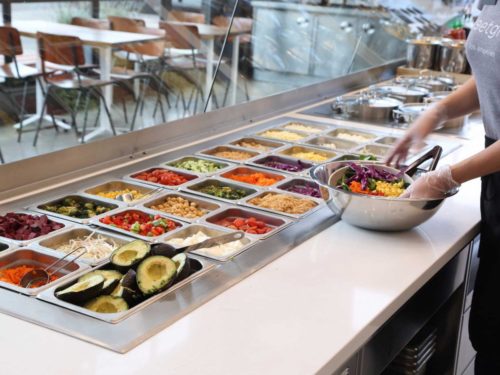
Another name change for the restaurant on the 13th St. side. First it was Izu. Then it was Lemongrass at Izu. Then it was Shanghai Square. Now it’s Dragonfly. To which we say, whatever.

Similar Posts

  • Upscale Restaurant to Land in North Pavilion of the Park

    Luxoft is a leading provider of software development services and innovative IT solutions to a global client base consisting primarily of large multinational corporations. Luxoft’s software development services consist of core and mission critical custom software development and support, product engineering and testing, and technology consulting. Luxoft’s solutions are based on its proprietary products and platforms that directly impact its clients’ business outcomes and efficiently deliver continuous innovation.

  • New School Construction Update

    Next week (April 11 to April 15), Contractors will continue to excavate earth and rock, and load out material. We will continue to underpin both adjacent buildings with DOB approval of our means and methods. Drilling of tie-backs, lagging and sheeting around the perimeter will progress as well. The following week (April 18 to April 23), we will continue rock excavation and loading out, as well as underpinning both adjacent buildings, lagging and sheeting.

  • Farmer’s Market Sales Way Down

    The New York Times reports:

    This season’s inclement weather affected farmers’ markets as much as their crops, and customers lost early on never really came back. Just ask Michael Hurwitz, director of greenmarkets for the Council on the Environment of New York City.

    “God, this was a tough year,” Mr. Hurwitz said. Market problems snowballed from the spring, when less produce than usual was available because of rain, cool weather and late planting on vendors’ farms. “That impacted customers coming back to market,” he said. “Spring is not for making money; it’s for getting customers in. Fall is for making money — and less people all season came to the markets.”

    Those all-important weekends, including the two biggest market weekends of the season in mid-October, were rainy, and that meant fewer shoppers, Mr. Hurwitz said. At the largest market, in Union Square, business was off by as much as 40 percent this season. The economic crisis compounded the low turnout, though on the bright side, he said, it generally kept vendors from raising prices.

    But farmers like John Glebocki had little choice. Mr. Glebocki is an Orange County farmer who sells his produce exclusively at 22 farmers’ markets, most of them in the New York City system. He figures he lost nearly 50 percent of his 80 acres of mixed vegetables, but he has faith in his customers. “People understand it’s a low production year,” he said, “and if we have to tack on another quarter a pound.”